
Insight
What Are Methods of Hair Restoration?
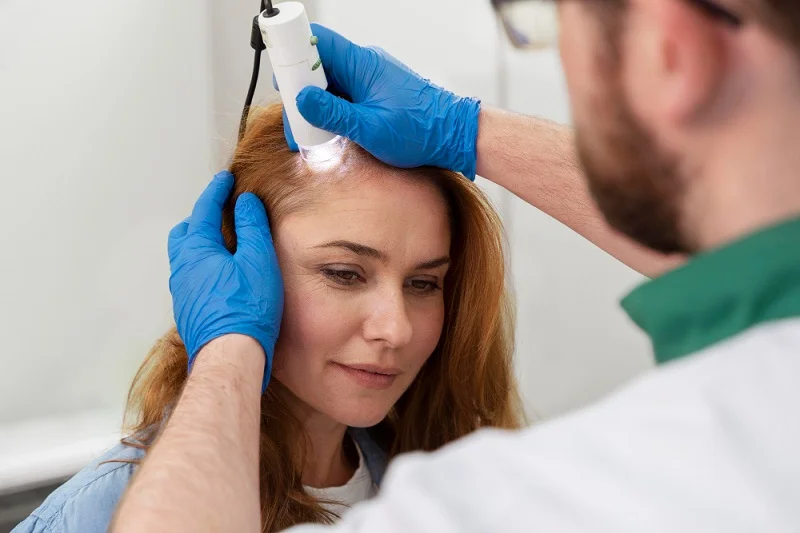
Methods of hair restoration refer to medical and surgical techniques used to restore hair growth or improve hair density in areas affected by thinning or baldness.
These methods may include:
- Surgical hair transplantation
- Follicular extraction techniques
- Non-surgical regenerative treatments
- Medical management for hair preservation
The goal of methods of hair restoration is not simply to add hair, but to recreate natural growth direction, density distribution, and hairline design appropriate for age and facial structure.
Suitability
Who is a Good Candidate for Methods of Hair Restoration?
You may be a suitable candidate for methods of hair restoration if:
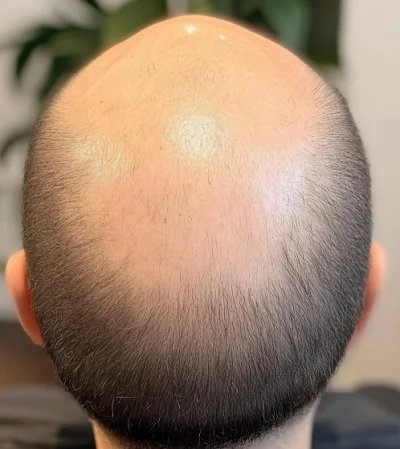
- You experience male or female pattern hair loss
- You have thinning at the crown or temples
- Your hairline has receded
- You have stable donor hair at the back or sides of the scalp
- You are in good general health
- You have realistic expectations about gradual improvement
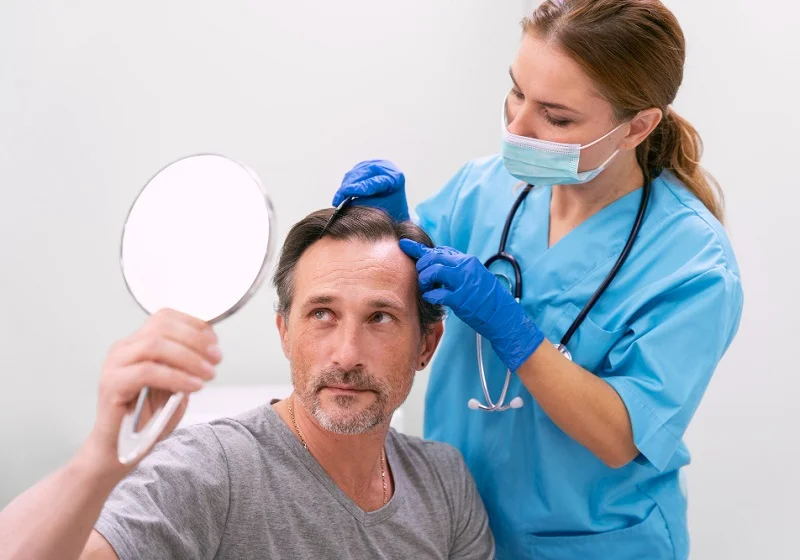
Dr. Govind Gupta performs a detailed scalp evaluation, donor area assessment, and hair density analysis before recommending the most appropriate methods of hair restoration.
Technique
Types of Hair Restoration
Different methods of hair restoration are selected based on the extent of hair loss, donor availability, and patient preference.
FUE (Follicular Unit Extraction)
Individual follicular units are extracted from the donor area and implanted into thinning regions. This technique leaves minimal linear scarring.
FUT (Follicular Unit Transplantation)
A strip of donor hair is removed, dissected into grafts, and implanted strategically.
PRP (Platelet-Rich Plasma) Therapy
A regenerative treatment that may support existing hair follicles and improve scalp health.
Medical Therapy
Prescription medications may help slow progression of hair loss when used appropriately.
Often, a combination of methods of hair restoration is recommended for optimal long-term management.
Advantages
Benefits of Hair Restoration
When properly planned, methods of hair restoration may:
- Improve hair density
- Restore a natural-looking hairline
- Slow progression of hair thinning
- Enhance overall facial balance
- Provide long-lasting results (in transplant cases)
- Improve confidence
Results develop gradually as transplanted or stimulated follicles enter normal growth cycles.
The Journey
Procedure Overview
The exact process varies depending on the selected methods of hair restoration, but generally follows these steps:
Step 1: Consultation & Hair Analysis
Assessment of hair loss pattern, donor area quality, and scalp condition.
Step 2: Treatment Planning
Design of hairline and density distribution aligned with age and facial proportions.
Step 3: Preparation
Local anesthesia is administered for transplant procedures.
Step 4: Graft Harvesting (for FUE/FUT)
Follicular units are carefully extracted from the donor area.
Step 5: Recipient Site Creation
Tiny incisions are made following natural hair growth direction.
Step 6: Graft Placement
Follicles are placed meticulously to ensure natural angulation and density.
Non-surgical methods of hair restoration such as PRP follow a separate injection-based protocol.
Procedures may take several hours depending on graft count.

Healing
Recovery Timeline
Recovery after surgical methods of hair restoration typically includes:
- First 3–5 Days: Mild swelling or scalp sensitivity
- 7–10 Days: Small scabs shed naturally
- 2–4 Weeks: Temporary shedding of transplanted hairs (normal phase)
- 3–4 Months: Early regrowth begins
- 8–12 Months: Gradual improvement in density
Hair growth occurs in cycles, and patience is essential for visible outcomes.
Risks & Safety
Methods of hair restoration are generally safe when performed by trained professionals, but potential risks include:
- Temporary swelling
- Scalp numbness
- Infection
- Uneven growth if poorly executed
- Shock loss (temporary shedding of surrounding hair)
Dr. Govind Gupta emphasizes:
- Conservative donor area management
- Natural hairline design
- Sterile technique
- Detailed aftercare guidance
Proper planning reduces the risk of unnatural density or depletion of donor areas.
Profile
Why Choose Dr. Govind Gupta for Hair Restoration?
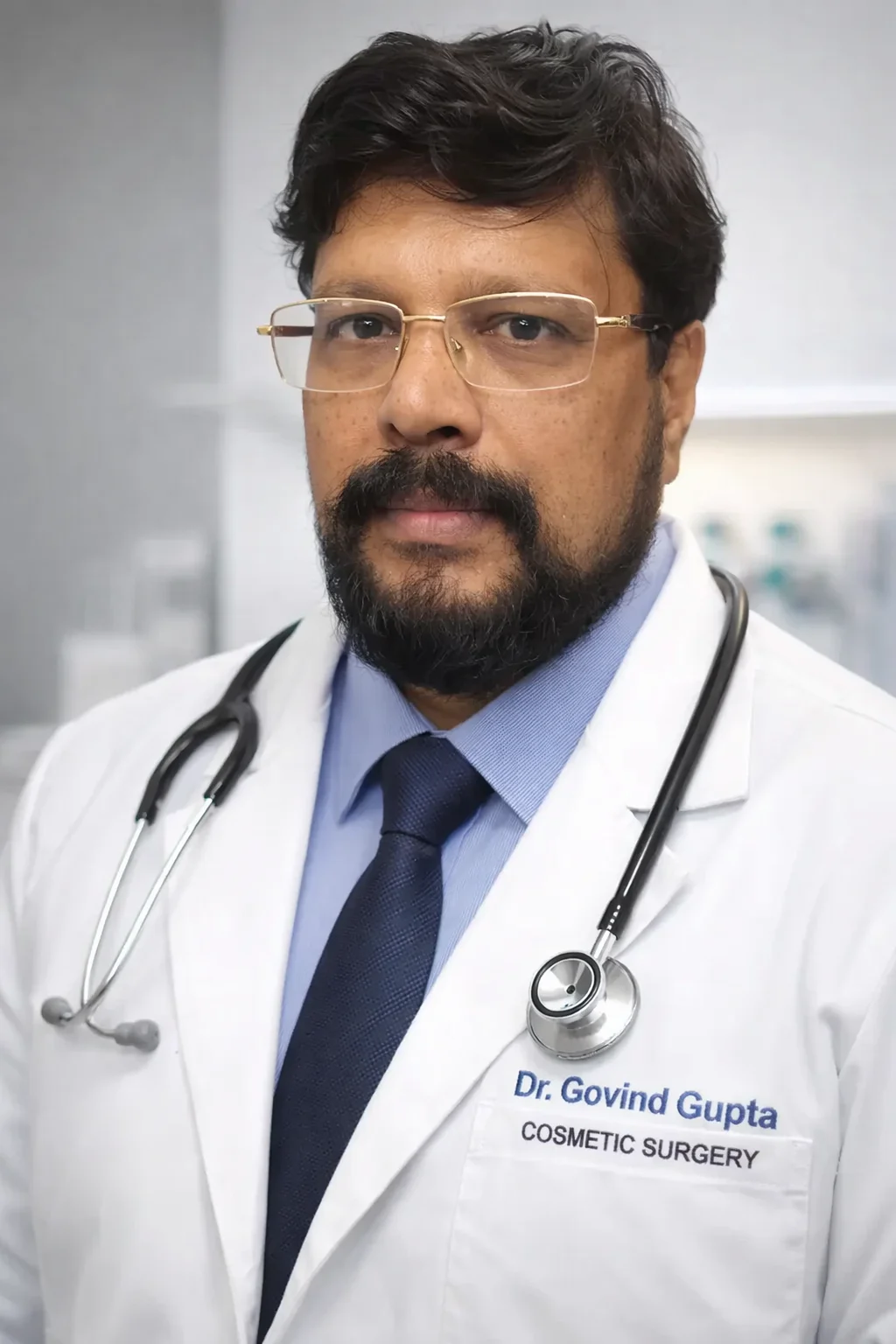
Dr. Govind Gupta
Cosmetic & Facial SurgeonHair restoration requires both technical precision and aesthetic judgment.
- Individualized treatment planning
- Natural hairline artistry
- Conservative graft placement
- Focus on long-term donor preservation
- Experience in both surgical and non-surgical methods of hair restoration
- Structured follow-up care
At Celebrity Doctor TV, methods of hair restoration are approached as a long-term strategy rather than a single procedure.
Transformation
Before & After of Hair Restoration
Before
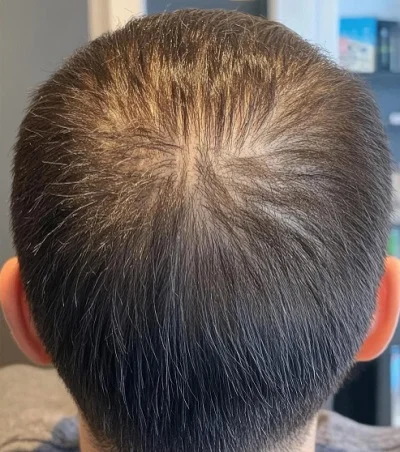 After
After
Methods of Hair Restoration
Assistance

 Book Today & Glow Tomorrow